Dear dida follower,
After the last few very productive months, it's time for our dida newsletter again. Here, we would like to give you an insight into our latest developments and projects.
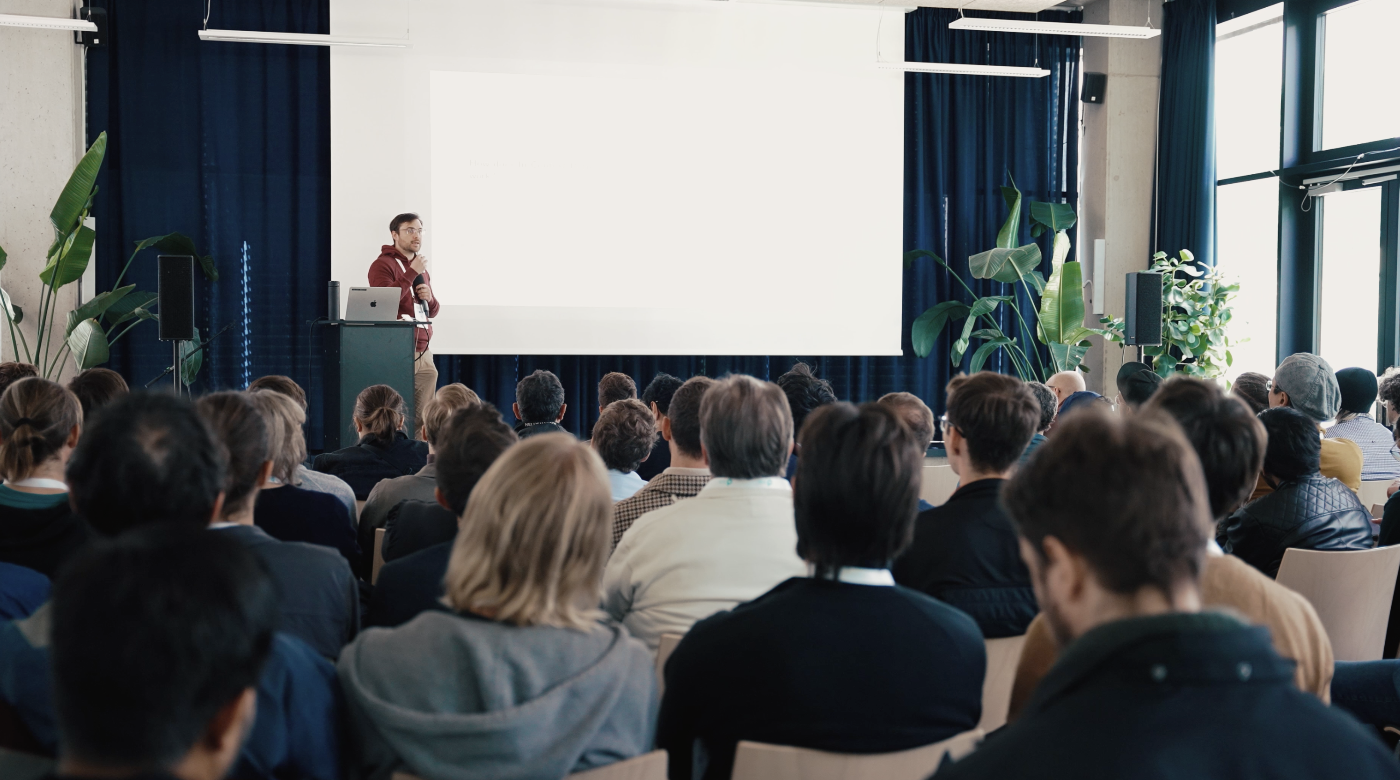
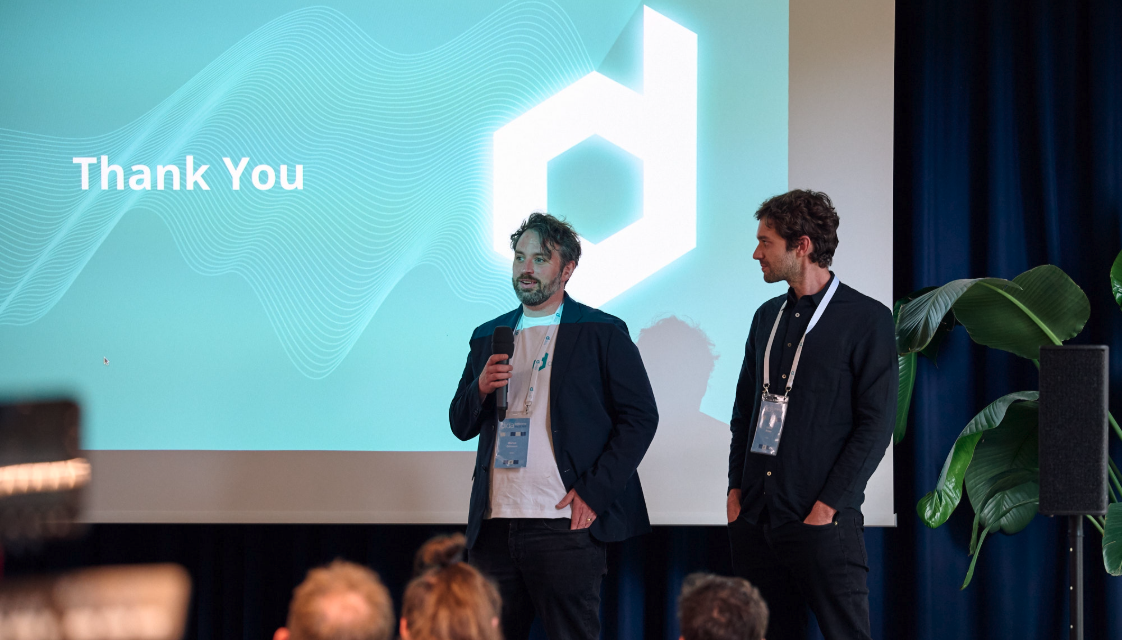
In May this year, we held our third annual dida conference, hosted at fizzforum in Berlin, where we could welcome 300 professionals in the fields of AI and Machine Learning. This year’s program was the strongest we had so far, with speakers like Sebastian Lapuschkin from the Fraunhofer Heinrich Hertz Institute or Andrey Vasnetsov from Qdrant, as well as great topics dealing with AI agents, license plate recognition in real-time, explainable AI, or foundation models for sound generation.
We would like to express a huge thank you to all contributors who made the event a resounding success and all attendees who gave us such great and encouraging feedback. For those who missed it or want to rewatch the talks, all recordings are uploaded to the dida YouTube channel.
We recommend taking a look at our recap video.
Looking at projects that we finished and can publicly speak about, you can now find two more interesting case studies on our website: KAMI and AmoKI.
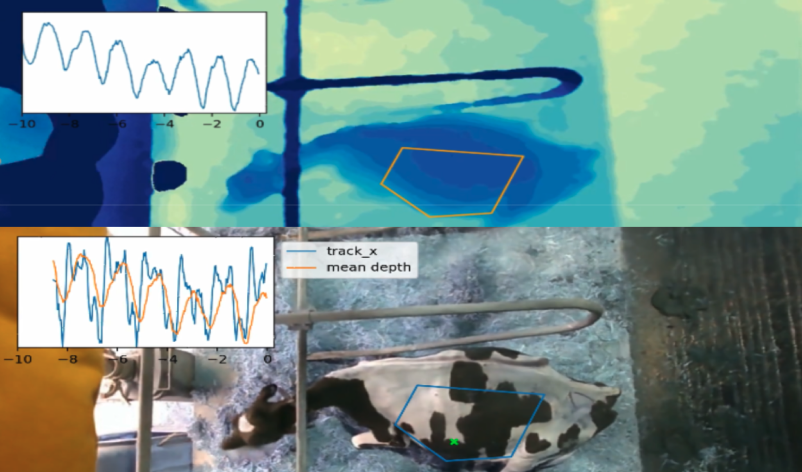
KAMI is a dida project for contactless respiratory monitoring in dairy cows using RGB depth cameras and visual event tracking. The goal is an earlier detection of stress or illness through increased breathing activities to improve animal welfare and farm operations. As a result, we developed a point-tracking model that uses RGB and depth information to track a cow’s breathing and which deviates less than three breaths per minute from sensor ground truth. This project was a joint effort with colleagues from ATB Potsdam, LVAT, and the University of Hildesheim.
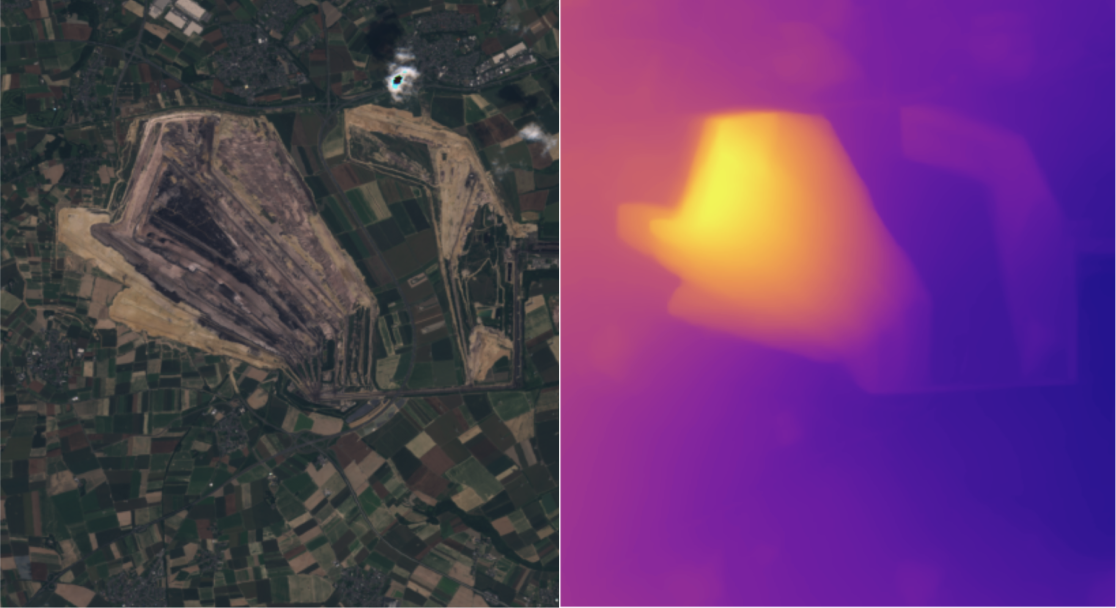
AmoKI aims to automate monitoring of open-pit mines using machine learning on open geospatial data (aerial imagery, Sentinel-2). In partnership with RWTH Aachen’s Institute of Mineral Engineering and Geologischer Dienst NRW (funded by BMBF), the team fine-tuned monocular depth-estimation models to infer terrain elevation, estimate mine depth and volume changes, and flag environmental impacts - reducing costly and risky on-site inspections.
Next to our project-based work, we were once again active in contributing to the international AI research community:
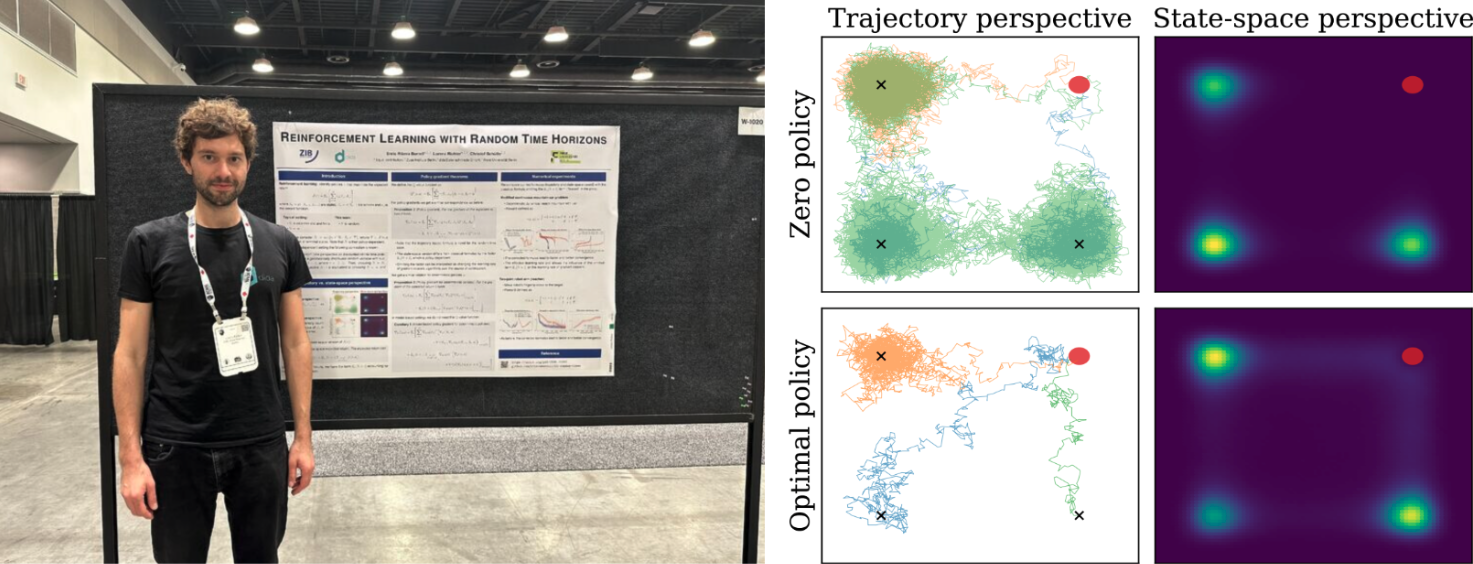
At the ICML 2025 in Vancouver, dida presented a paper on reinforcement learning, “Reinforcement Learning with Random Time Horizons”. The work derives new policy-gradient formulas for settings where episode length is random and policy-dependent - covering both stochastic and deterministic policies - and shows faster optimization convergence in experiments.
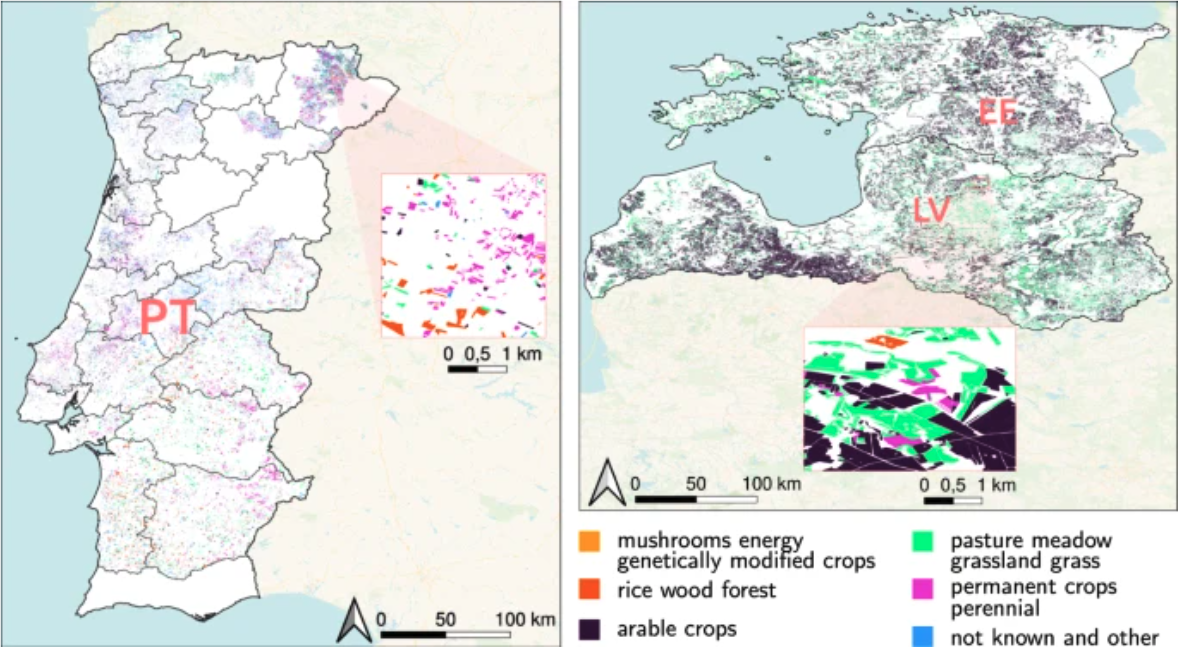
Then, dida has published a paper in Nature Scientific Data introducing EuroCropsML, a time-series benchmark for few-shot crop type classification across Europe. Dr. Jan MacDonald and Dr. Lorenz Richter together with collaborators from TUM and ETH Zürich developed the first time-resolved remote sensing dataset tailored to transnational few-shot benchmarking, offering 700k+ labeled samples spanning 100+ crop classes.
The paper and open-source code aim to standardize evaluation and accelerate research in remote sensing and agricultural AI.
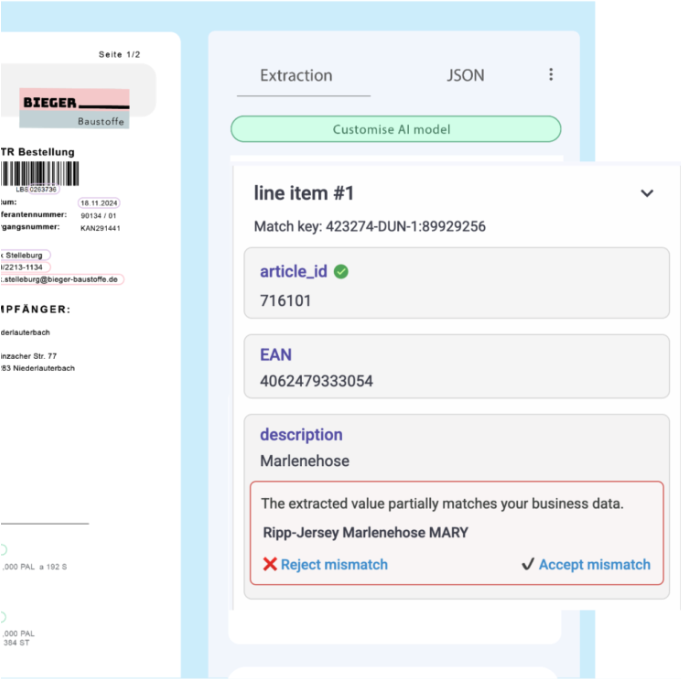
Our SaaS solution smartextract is continuing to gain traction in the market. It is now used by several mid-sized companies in sales and procurement, automating processes such as order entry, processing of tender documents, and order confirmation matching. Customers report time savings of more than 80% and 90% fewer errors in their daily operations.
Beyond these sales and purchasing use cases, more and more companies are adopting smartextract as their document processing infrastructure. Together with on-geo GmbH, one of Germany’s leading providers of property valuation software, we developed a solution to automatically extract information from land register excerpts. This exclusive partnership highlights how our technology can be applied across industries, while always ensuring secure and GDPR-compliant document processing.
If you would like to learn more or test smartextract in your own workflows, you can create a free trial account within minutes or talk with our VP of Product, Axel Besinger.
Recently, we have been awarded the Digital Justice Award 2025 in the category of Modern & Digital Justice for our project, xJuRAG. This award, presented by the Digital Justice Summit and selected by an independent jury of leading figures from the judiciary, politics, and legal tech, including former Federal Minister Brigitte Zypries, validates our core thesis that the future of Legal Tech relies on Explainable AI.
Given that accuracy and verifiability are fundamental requirements in the legal sector, xJuRAG, developed in close consortium with Fraunhofer Heinrich Hertz Institute HHI, directly addresses this by integrating Attention-aware Layer-wise Relevance Propagation (AttnLRP) to provide a transparent, quantifiable audit trail for every output.
Our colleagues Emilius Richter, Julius Lauenstein and Manu Keiper are looking forward to presenting our project at the Digital Justice Summit in Berlin on November 25th.
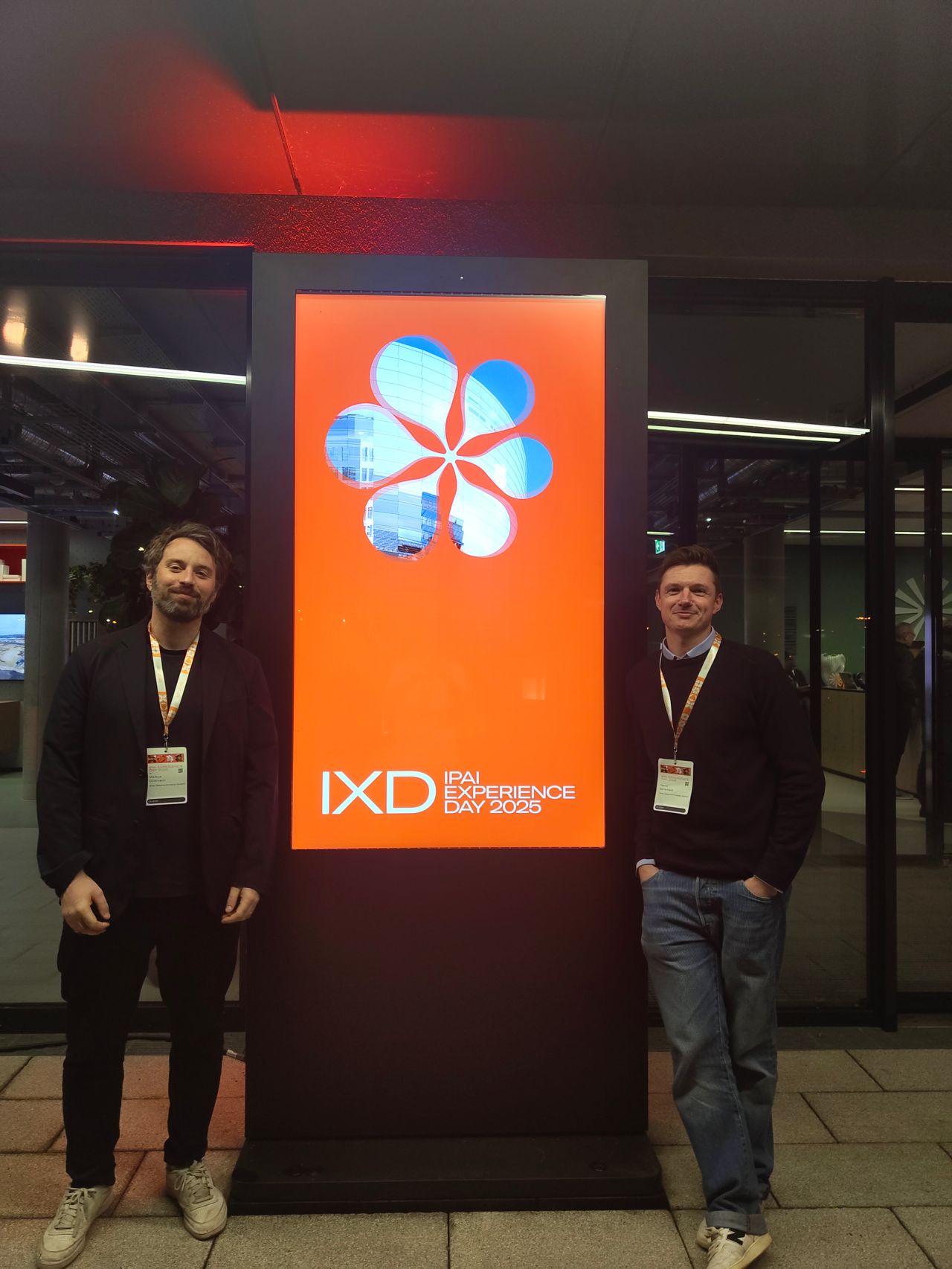
Next, we are proud to announce that dida has become a member of the Innovation Park Artificial Intelligence (IPAI). This platform, based in Heilbronn, with partners and members like Schwarz Digits, Aleph Alpha, Telekom, Porsche, Audi, or Würth Group, serves as a hub for collaboration among stakeholders from research, industry, and politics focused on responsible AI advancement. As part of this partnership, dida will leverage its expertise in NLP, Computer Vision, MLOps and mathematical optimization to assist IPAI members in their AI endeavors and in crafting custom AI solutions that prioritize security and explainability.
We already had the opportunity to present how we optimize our projects through mathematical optimization earlier this year and now, we’re looking forward to working with the IPAI community on ambitious AI projects.
Lastly, we also want to briefly mention our MLOps services, for which we see increases in demand. If you’re working on challenges related to operational aspects of your machine learning models in production, chances are high that we have solved something similar already in the past. Let us know if we should provide additional support.
Once again, we would like to end our newsletter by saying thank you to our long-term customers for their ongoing trust and great collaborations, to our many partners in various public-sector consortia, and to everyone who is following and supporting our journey at dida. As always, don’t hesitate to reach out to us if you want to discuss AI-related topics.
Best regards,
Dr. Markus Düttmann & Dr. Lorenz Richter