
dida at analytica 2026 in Munich
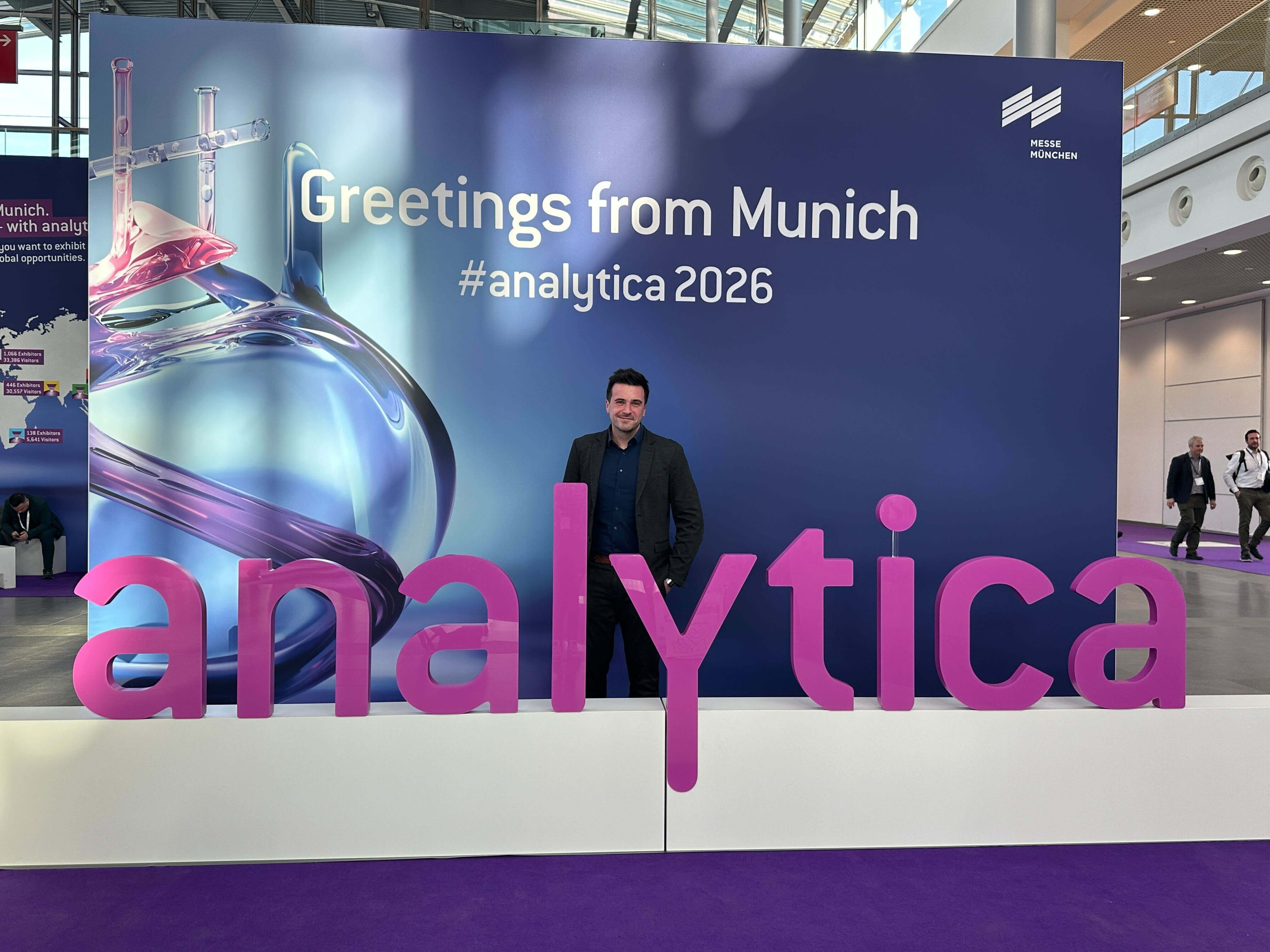
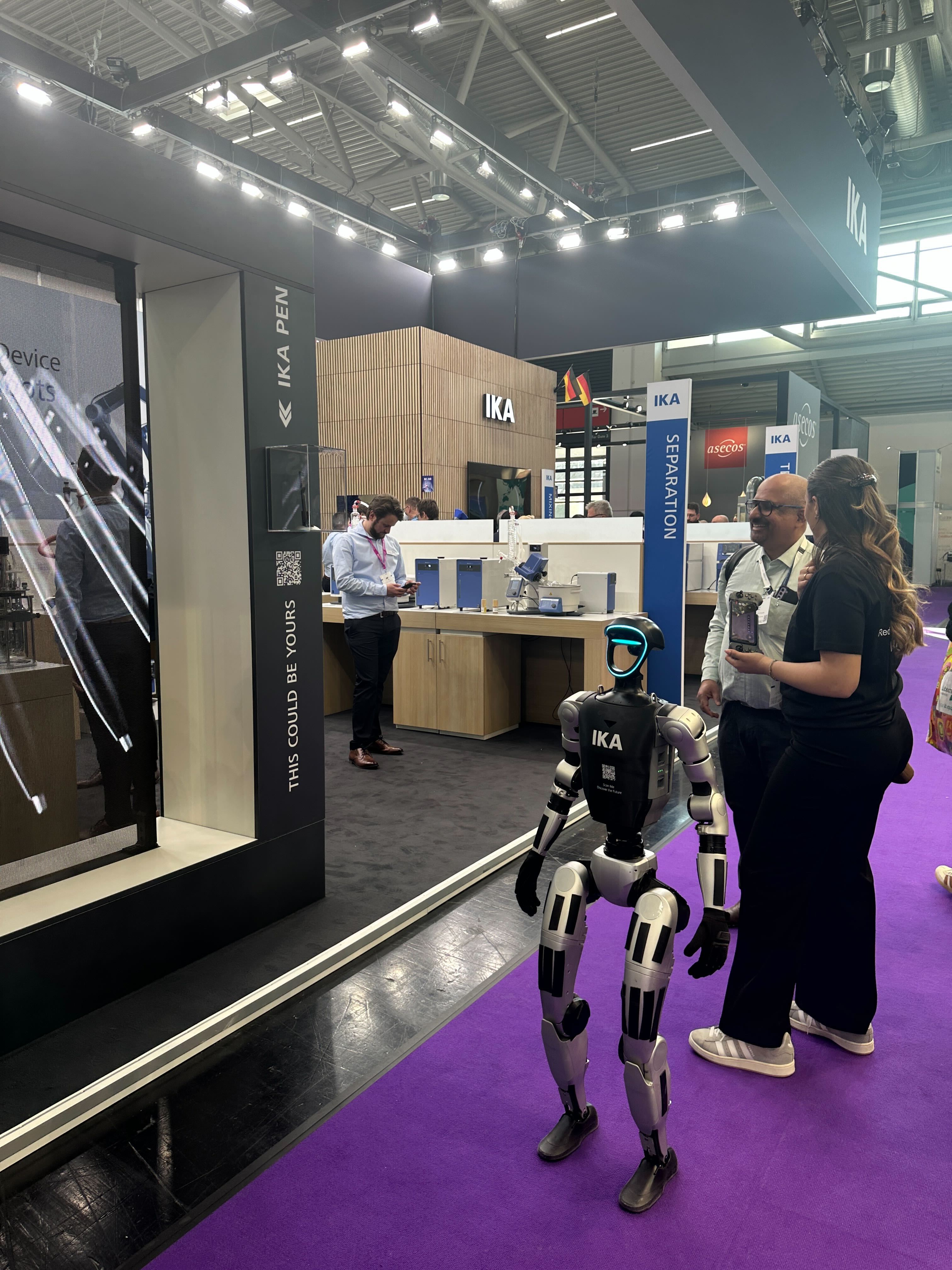
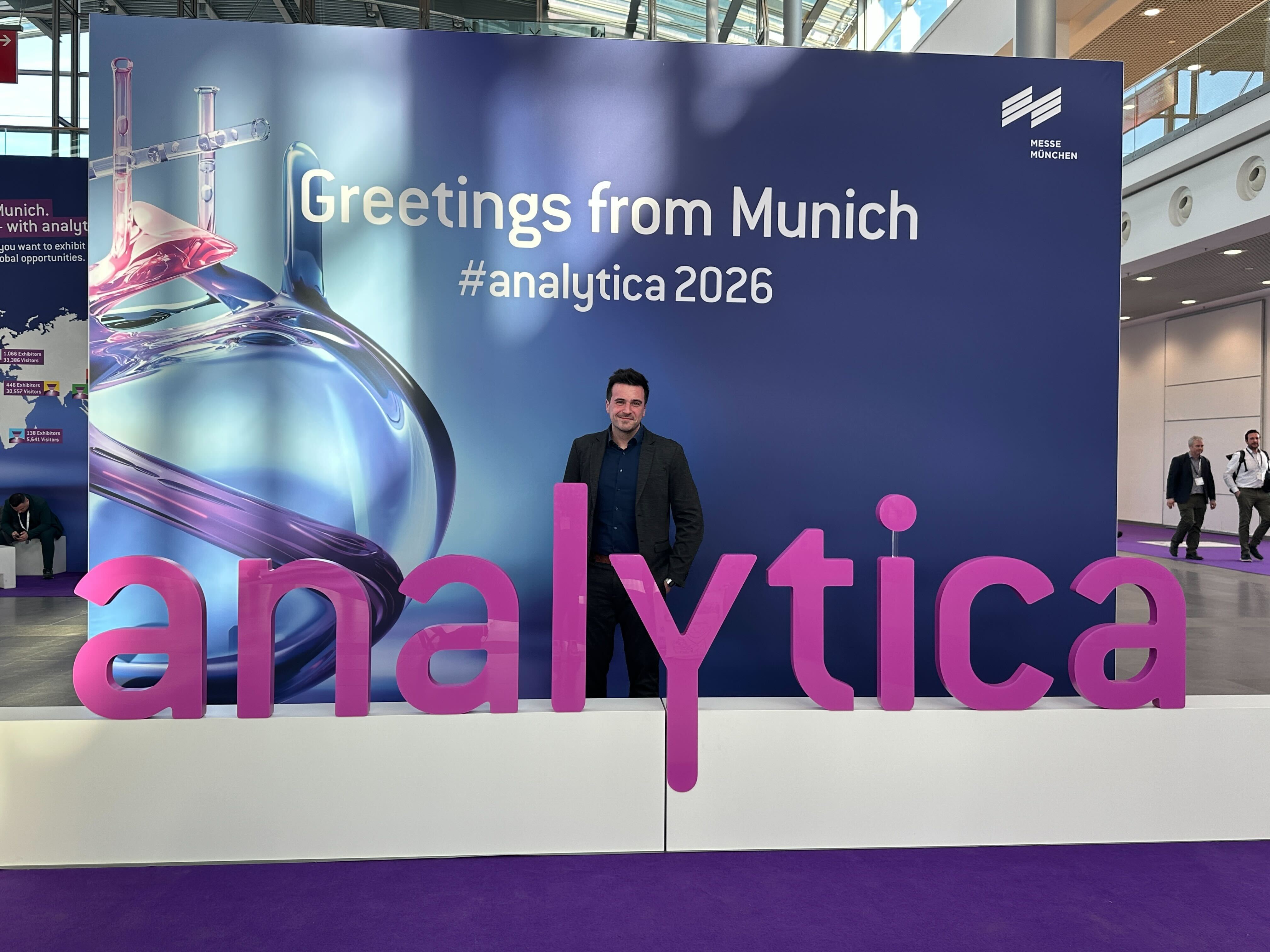
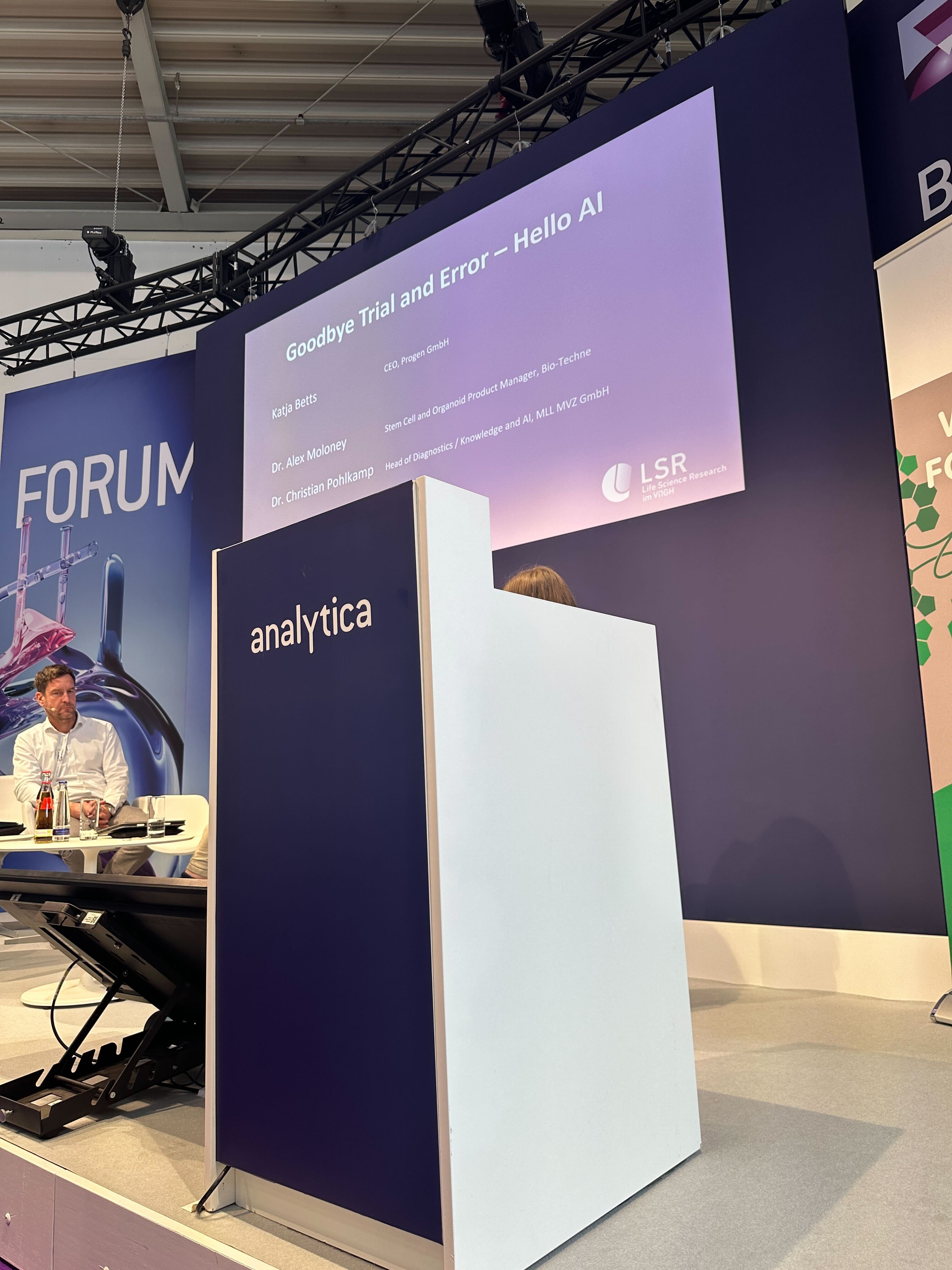
Yesterday our colleague Max Kollmann had the opportunity to connect with analytical instrument manufacturers, lab technology innovators, and automation experts at this year's analytica.
It was impressive to see how much momentum the industry has around AI and data-driven approaches. Here are a few areas where we see significant potential for machine learning:
-
ML-enhanced analytical data interpretation: From automated peak integration in chromatographic workflows to pattern recognition in spectral data, there's clear demand for models that reduce manual effort and increase consistency across analytical methods.
-
Predictive maintenance: Applying AI to instrument data to detect degradation patterns early and prevent costly downtime.
-
Information extraction: Making lab data conversational and accessible, whether that's structured extraction from SOPs or chat-based interfaces for querying experimental results.
What we heard over and over again in our conversations: AI in the lab works best as an enabling technology - not as a product itself, but as a lever that fundamentally improves existing processes. And the openness to explore this across the industry is remarkable.
To us, if feels like the analytical sciences are at a tipping point. The data is there, and the infrastructure is growing. Now it's about applying the right ML methods to create real impact.
If you're active in respective domains and would like to collaborate on AI use cases, feel free to contact us through our contact form.